
ニュースレターにご登録ください
メールマガジンに登録する
, により BLNDL Team, 読書時間:6分
A practical guide to this year's women's fashion trends — comfort-driven silhouettes, bold color-blocking, and versatile pieces — plus smart, budget-friendly shopping tips including where BLNDL fits in.
Fashion has always been a balancing act between expression and practicality. We want clothes that say something about who we are, but we also want them to fit our budgets, our schedules, and the ten different versions of ourselves we have to be in a single week — the professional, the weekend wanderer, the dinner-date dresser, the gym-goer who somehow still needs to look put together on the way home. Building a wardrobe that can flex across all of that without costing a fortune or requiring a personal stylist is one of the quieter skills of modern style.
This piece looks at where women's fashion is heading this year, how to shop smart across a range of budgets, and a few places worth browsing — including BLNDL, an online retailer carrying affordable women's clothing, accessories, and beauty products alongside home and lifestyle goods.
If there's a single thread running through fashion over the past couple of seasons, it's that comfort has stopped being the opposite of style. The "your pyjamas but make it fashion" energy of the early 2020s has matured into something more deliberate: soft tailoring, fluid fabrics, and silhouettes that move with the body instead of constraining it.
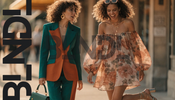
Matching sets are a good example. A coordinated top and bottom — whether that's a structured blazer-and-trouser combo or a relaxed knit set — solves the eternal "do these go together" question in one purchase, and it photographs well, which matters more than most of us like to admit in a world where outfits are documented as often as they're worn. Loose, off-shoulder silhouettes and breezy floral dresses have also stuck around, especially for warmer months, because they offer the visual interest of a "going out" piece with the actual wearability of something you could nap in on a long flight.
Color is where a lot of women experiment first, because it's lower commitment than silhouette. This year's palette leans toward saturated, confident hues — think deep purples, true reds, and rich greens — used as statement pieces against a neutral base of beige, black, and white. The color-blocking trend, where a single garment combines several contrasting tones (plaid patchwork dresses are a current favorite), is a way to wear more color without it feeling like a costume.
The throughline is intentionality. Trends now reward people who pick one or two strong choices and build around them, rather than trying to wear every microtrend simultaneously.
One of the more useful mental models for building a wardrobe is separating your closet into two categories.
Investment pieces are the things you'll wear for years: a well-cut coat, quality denim, leather (or vegan leather) boots, a versatile handbag. These are worth spending more on, both because they're worn more often (which lowers the effective cost per wear) and because better construction tends to age better.
Trend pieces are the fun, lower-stakes purchases — this season's specific shade of green, a statement earring, a particular dress silhouette that's everywhere on social media right now. These are exactly where it makes sense to shop affordably, because their lifespan in your rotation is naturally shorter. Spending designer money on a piece you'll wear for one summer rarely pays off emotionally or financially.
This is also where a retailer like BLNDL fits into the picture. It's not positioned as a luxury or investment-piece destination — it's a budget-friendly online shop carrying trend-driven womenswear (dresses, tops, matching sets, jackets), along with footwear, jewelry, and accessories, plus categories like sunglasses and watches. For the "trend piece" side of your wardrobe — testing out a silhouette or color before committing real money to it — that kind of low-cost, frequently-updated catalog can be a practical option, especially since the site notes new styles being added regularly and ships to dozens of countries.
If you only update one part of your wardrobe each season, let it be accessories. A new bag, a stack of rings, a patterned scarf, or a fresh pair of sunglasses can completely shift the read of an outfit you already own. This is the most cost-effective form of "shopping the trends" because you're not replacing your base wardrobe — you're remixing it.
Statement jewelry in particular has had a moment: chunky earrings, layered necklaces, and mixed-metal pieces that don't take themselves too seriously. The same logic applies to bags — a structured top-handle handbag reads polished and professional, while a slouchy shoulder bag in a bright color does the opposite, signaling off-duty ease. Owning one of each gives you more outfit range than owning five variations of the same silhouette.
A wardrobe built purely around occasions (this is my "work outfit," this is my "wedding guest dress") tends to bloat quickly and get expensive. A more sustainable approach is to think in terms of versatility: does this piece work in at least two contexts?
A midi dress in a solid, slightly more structured fabric can go from office to dinner with a change of shoes and jacket. A well-fitted blazer works over a t-shirt for errands and over a slip dress for something dressier. Even jumpsuits — which had a reputation for being a one-occasion item — have become a go-to precisely because the right cut works for both daytime and evening with a simple accessory swap.
Whether you're browsing a high-street store, a designer boutique, or an affordable online catalog like BLNDL's, a few habits make for smarter purchases regardless of price point.
Check the fabric content before the price tag. Fit matters more than trend; a piece that's slightly less fashionable but fits well will get worn more than a trendy piece that doesn't sit right. And buy with your actual closet in mind rather than the version of your closet you wish you had — three tops that work with things you already own beat one statement piece that only works with an outfit you haven't bought yet.
None of this requires an enormous budget or a closet overhaul. The most stylish wardrobes tend to be the most edited ones: a handful of investment basics, a rotating cast of affordable trend pieces, and an accessory collection that does most of the actual personality work. Whether that trend piece comes from a flagship department store or a budget-friendly online shop like BLNDL matters less than whether it actually earns its place in your closet — which, in the end, is the only metric that's ever really mattered in fashion.